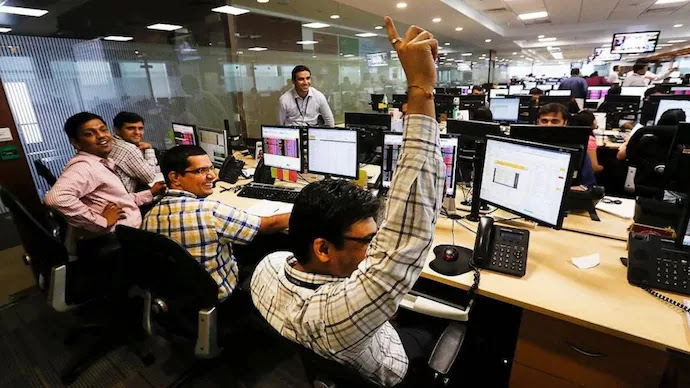
The stock market today presents both opportunity and risk, especially for traders planning their moves on February 9. Market sentiment remains sensitive to economic data, global cues, and sector-specific momentum. Before entering any trade, investors must understand the current market environment, key triggers, and possible scenarios for the trading session.
This article breaks down everything you need to know before the opening bell, from market trends to important dates and actionable insights, so you can approach the day with clarity and confidence.
Stock Market Today: What Traders Need To Know
The stock market today reflects a cautious yet opportunity-driven mood. Investors continue to balance optimism around corporate earnings with concerns about inflation, interest rates, and global economic stability.
Key Market Factors To Watch
-
Global market cues from U.S. and Asian indices
-
Interest rate expectations and central bank commentary
-
Inflation trends and macroeconomic signals
-
Corporate earnings results and guidance updates
-
Commodity price movement, especially oil and gold
Markets often react sharply to even small signals, which makes preparation essential before placing trades.
Market Trends Ahead of Feb. 9 Trading Session
As trading begins on Feb. 9, several trends influence market direction:
Equity Market Sentiment
-
Large-cap stocks show relatively stable movement
-
Mid-cap and small-cap stocks remain more volatile
-
Defensive sectors attract cautious investors
Sector Performance Outlook
-
Banking and financial stocks react to rate expectations
-
IT and tech stocks depend on global demand signals
-
Energy stocks move with crude oil price changes
-
Pharma stocks gain attention during uncertain market phases
Understanding sector rotation helps traders identify where momentum may develop during the session.
Important Economic Dates and Events
Economic events scheduled around Feb. 9 can influence intraday volatility. Traders must track these closely.
Key Events To Monitor
-
Inflation data releases
-
Central bank statements or interviews
-
Global economic indicators
-
Major corporate earnings announcements
Even indirect global data can affect domestic markets due to interconnected financial systems.
Key Data Snapshot Before Market Open
| Factor | Impact on Market | What Traders Should Watch |
|---|---|---|
| Inflation Data | High | Market reaction to price stability |
| Interest Rate Outlook | High | Banking and rate-sensitive stocks |
| Global Indices | Medium | Overnight sentiment clues |
| Earnings Reports | Medium | Stock-specific volatility |
| Crude Oil Prices | Medium | Energy sector movement |
This table offers a quick overview to help traders prioritize information before entering positions.
Trading Strategy for Stock Market Today
A structured strategy reduces emotional decisions and improves consistency.
Short-Term Traders Should Focus On:
-
Pre-market trends and gap openings
-
Support and resistance levels
-
Volume confirmation
-
News-based momentum
Long-Term Investors Should Consider:
-
Fundamental strength of companies
-
Sector growth potential
-
Risk-reward balance
-
Market corrections as entry points
Risk management remains essential regardless of trading style.
Risk Factors To Keep in Mind
Before going into trade on Feb. 9, traders must stay aware of possible risks:
-
Sudden news events
-
Sharp institutional selling or buying
-
Unexpected global market moves
-
Overreaction to short-term data
Using stop-loss orders and position sizing protects capital during volatile sessions.
Conclusion
The stock market today demands preparation, discipline, and awareness. Before going into trade on February 9, traders must analyze global cues, economic events, and sector trends. Markets reward those who stay informed and act with a clear plan rather than emotion.
By tracking important dates, understanding market sentiment, and following a structured strategy, you improve your chances of making smarter trading decisions. Preparation remains the strongest advantage in any trading session.